How to prevent frozen pipes in Sioux Falls winter
Sioux Falls winters hit -20°F. Learn how to prevent frozen pipes with insulation, heat tape, and smart thermostat settings before the first hard freeze.
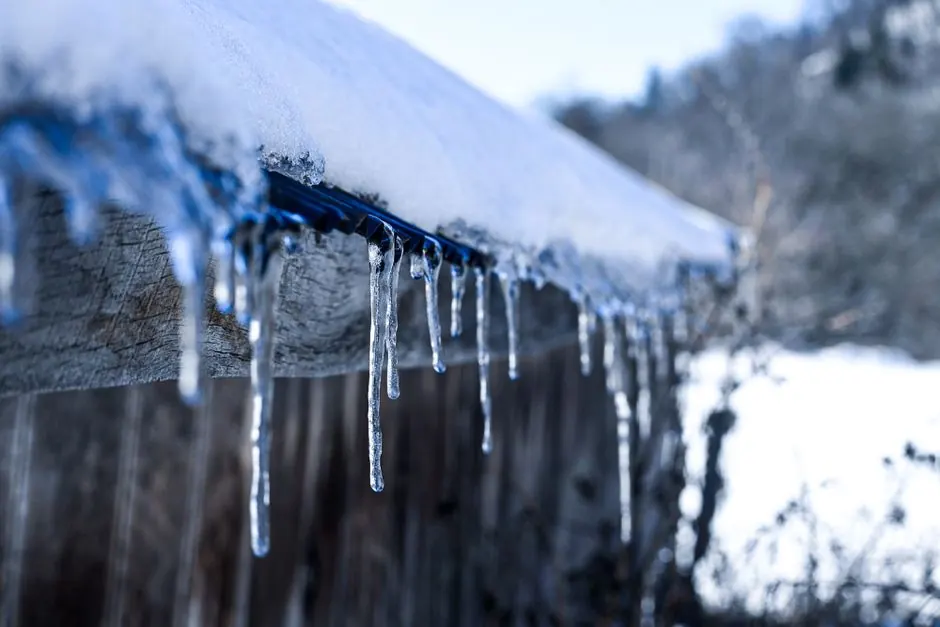
You can prevent frozen pipes in Sioux Falls SD by insulating every exposed pipe, sealing foundation cracks, and keeping your thermostat at 68°F or higher all winter. Those three steps stop most freeze-ups before they start. The rest of this guide covers the exact products, temperatures, and habits that keep water moving when the outside air drops to -20°F.
Why Sioux Falls winters are hard on plumbing
Sioux Falls sees an average January low of 6°F, with cold snaps that push past -20°F and stay there for days. That kind of sustained cold drives frost deep into the ground and into unheated crawl spaces, garages, and rim joists. The frost line here sits around 48 inches, which means the soil itself freezes well below your foundation. Pipes running through exterior walls or under mobile homes are the first to go.
We also deal with wind chill that makes exposed pipes lose heat faster than the thermometer suggests. A pipe that survives 10°F can still burst at 15°F with a 30 mph northwest wind pulling heat off it. That is why prevention in this city is not optional - it is the difference between a $200 insulation job and a $5,000 water damage cleanup.
How do I prevent pipes from freezing in Sioux Falls SD?
Prevent frozen pipes Sioux Falls SD by focusing on three zones: pipes in exterior walls, pipes in unheated spaces, and the main water line coming into the house. Start with foam pipe insulation on every accessible run. For pipes you cannot reach, use heat tape or a thermostatically controlled heat cable. Then seal any gap where cold air touches plumbing - foundation vents, dryer vents, and the gap around your outdoor spigots.
Here is the order we recommend to homeowners before the first hard freeze:
- Insulate all hot and cold water lines in the basement, crawl space, and garage with 1/2-inch wall foam insulation.
- Add heat tape to any pipe that runs along an exterior wall or in a soffit.
- Seal cracks around pipe penetrations with expanding foam or caulk.
- Disconnect garden hoses and shut off outdoor spigots from the inside valve.
- Keep cabinet doors open under kitchen and bathroom sinks on exterior walls so warm air circulates.
If you have a mobile home or a home with a crawl space, pay extra attention to the water line coming in from the street. That line is often the first to freeze because it sits closest to the frost line. A licensed plumber can install a heat cable on that line and insulate the entry point in under two hours.
For homes with older galvanized or copper plumbing, consider a professional repiping Sioux Falls SD assessment. New PEX lines handle freeze-thaw cycles far better than brittle copper, and repiping eliminates the weak joints that split first.
What temperature should I keep my house at to prevent frozen pipes in Sioux Falls?
Keep your thermostat at 68°F or higher, day and night, for the entire winter. The old advice to drop to 55°F when you leave town is a recipe for a burst pipe in this climate. At 55°F inside, the air in an exterior wall cavity can easily fall below 32°F when the outside temperature hits -10°F.
If you leave Sioux Falls for more than a day, set the thermostat to 68°F and leave it there. The energy cost of holding 68°F for a week is far less than the cost of repairing water damage. For a typical 2,000-square-foot home, the difference between 60°F and 68°F is roughly $15-$25 per month in natural gas - cheap insurance.
Use a smart thermostat with a freeze warning alert if you have one. Set the low-temperature alert to 62°F so you get a phone notification before pipes are at risk. If you do not have a smart thermostat, ask a neighbor to check your house daily during a cold snap.
Should I drip faucets to prevent frozen pipes in Sioux Falls?
Yes, dripping faucets helps prevent frozen pipes in Sioux Falls when the outside temperature drops below 20°F. A slow drip keeps water moving through the pipe, which makes it much harder for ice to form a solid plug. It also gives the expanding ice a place to go - out the faucet instead of through a split in the pipe.
Drip the faucet farthest from your water main, and drip both hot and cold lines. A pencil-lead-thin stream is enough. If you have a two-story home, drip a sink on the second floor as well, because upper floors lose heat first. The cost of dripping one faucet for a week is about $5-$10 in water, which is nothing compared to pipe repair Sioux Falls SD after a burst.
Do not rely on dripping alone if you have pipes in an unheated crawl space or a garage. Those pipes need insulation and heat tape, not just moving water.
How do I thaw frozen pipes in Sioux Falls South Dakota?
Thaw frozen pipes in Sioux Falls South Dakota by first opening the nearest faucet, then applying gentle heat to the frozen section with a hair dryer, heat lamp, or electric heating pad. Start at the faucet end and work backward toward the freeze. Never use an open flame, and never pour boiling water directly on a pipe - thermal shock can crack it.
If you cannot find the frozen section, or if the pipe is inside a wall, call a professional. We use infrared cameras and pipe-thawing equipment that warms the line evenly without damaging it. The average thaw time for a residential line is 30-90 minutes, depending on how long it has been frozen and how far the ice extends.
Watch for these signs you have a freeze: no water at one fixture, a toilet that will not refill, or a hissing or bubbling sound behind a wall. If you see water leaking after you thaw, shut off the main valve immediately and call for emergency plumbing repair Sioux Falls SD. A split pipe can release hundreds of gallons before you notice.
Common mistakes that lead to frozen pipe repair Sioux Falls South Dakota
The most common mistake we see is waiting until the first cold snap to insulate. Foam insulation and heat tape need to be installed before the temperature drops, not during a blizzard. Another is leaving a garage door open for even an hour during a cold snap - that alone can freeze the water line running through the garage ceiling.
Other mistakes that lead to frozen pipe repair Sioux Falls South Dakota:
- Turning the heat down too low when leaving for a weekend trip.
- Closing off a spare bedroom and shutting the heat register - the pipes in that wall still need warmth.
- Ignoring a slow drain or a toilet that runs constantly; moving water freezes slower, but a clogged line can freeze solid.
- Using a space heater as the only heat source in a basement or crawl space. Space heaters fail, and when they do, pipes freeze.
If you have already had one freeze this season, get a professional inspection. A plumber can identify the exact weak points and install permanent fixes like pipe insulation Sioux Falls SD and heat cable. We also check your sump pump repair Sioux Falls SD needs before spring thaw, because a frozen discharge line can back up into your basement.
When to call a professional
Call a professional when you cannot locate the frozen section, when you see water leaking after a thaw, or when more than one fixture loses pressure at the same time. Those are signs of a main line freeze or a split pipe that needs immediate attention. Our team at Emergency Plumbing Sioux Falls handles frozen pipe repair and prevention across the city, and we can usually get to you the same day.
We also install permanent solutions: heat tape on vulnerable lines, insulation on every exposed run, and smart valves that shut off water if a pipe bursts. If you own a rental property or a vacation home in Sioux Falls, we offer winterization packages that include draining the water heater and blowing out the lines. For homeowners who want a full upgrade, we provide plumbing installation Sioux Falls SD for new PEX lines that resist freeze damage far better than older materials.
Frequently Asked Questions
How do I prevent pipes from freezing in Sioux Falls SD?
Insulate all exposed pipes with foam sleeves, add heat tape to lines in exterior walls or crawl spaces, seal air leaks around pipe penetrations, and keep your thermostat at 68°F or higher. Disconnect garden hoses and shut off outdoor spigots before the first freeze. These steps prevent most freeze-ups.
What temperature should I keep my house at to prevent frozen pipes in Sioux Falls?
Keep your thermostat at 68°F or higher day and night. Do not lower it below 65°F even when you are away. At 55°F, pipes in exterior walls can freeze when outside temperatures drop below -10°F, which happens multiple times each winter in Sioux Falls.
How do I thaw frozen pipes in Sioux Falls South Dakota?
Open the nearest faucet, then apply gentle heat with a hair dryer, heat lamp, or electric heating pad. Start at the faucet and work toward the freeze. Never use an open flame. If you cannot find the frozen section or see leaking after thawing, call a plumber immediately.
Should I drip faucets to prevent frozen pipes in Sioux Falls?
Yes, when the outside temperature drops below 20°F. A pencil-thin drip on the farthest faucet keeps water moving and relieves pressure. Drip both hot and cold lines. The cost is $5-$10 per week, far less than repairing a burst pipe.
How much does frozen pipe repair cost in Sioux Falls?
Typical 2026 pricing for frozen pipe repair in Sioux Falls ranges from $250 to $800 for a single accessible line, and $1,200 to $3,500 if the pipe is inside a wall or requires water damage cleanup. Emergency after-hours service adds $100-$200. Prevention costs a fraction of that.
Get help with Plumbing in Sioux Falls
If you need help preventing frozen pipes or repairing a line that has already burst, call our team at +17136551138. We serve all of Sioux Falls and the surrounding area with same-day emergency service and permanent winterization solutions.