How to maintain a water softener for Sioux Falls hard water
Sioux Falls water runs 12-18 grains per gallon hard. Here's the salt, settings, and cleaning routine that keeps your softener working and your pipes scale-free.
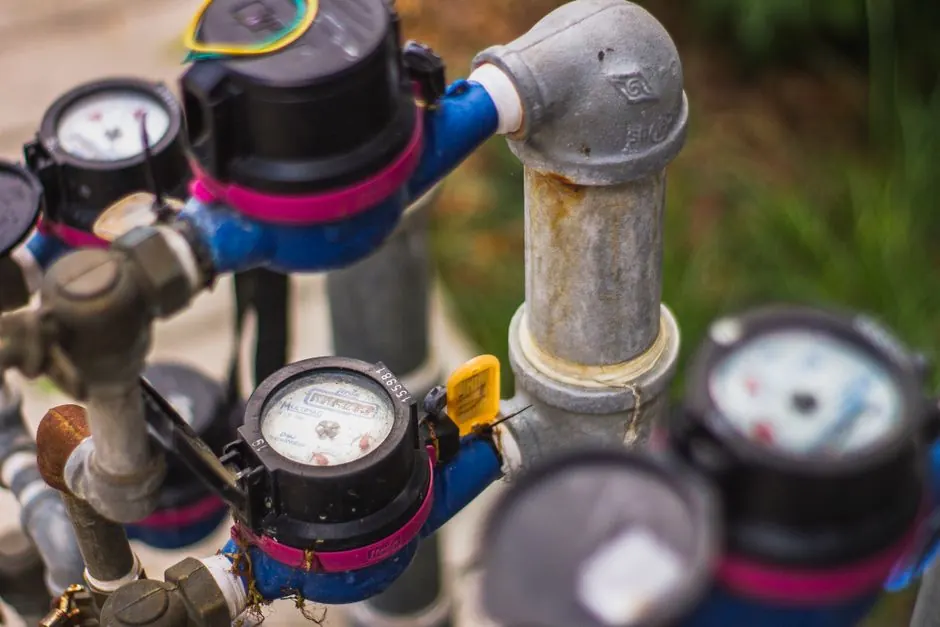
To maintain a water softener for Sioux Falls hard water, you need to check the salt level every two to three weeks, keep the brine tank at least one-third full, and set your hardness level to 15-20 grains per gallon. Sioux Falls pulls its water from the Big Sioux Aquifer and the Missouri River, and that water carries 12-18 grains per gallon of dissolved calcium and magnesium on average. Without a working softener, that hardness scales up your water heater, clogs aerators, and shortens the life of every appliance that touches water. This guide walks through the exact salt, settings, and cleaning routine we use on service calls across the city.
Why Sioux Falls Water Is So Hard
Sioux Falls water hardness comes from the limestone and dolomite the city's wells and river intakes draw through. The city's 2025 water quality report puts average hardness at 14.2 grains per gallon (about 243 mg/L as calcium carbonate), with seasonal spikes above 18 gpg when the Missouri River runs high in spring. That's firmly in the "very hard" category on the Water Quality Association scale.
Hard water isn't a health risk, but it's expensive. A family of four in Sioux Falls running unsoftened water will replace a water heater in 8-10 years instead of 12-15. Dishwasher racks pit. Showerheads lose 30-40% of their flow in three years. And you'll spend $40-$60 a month on extra soap, detergent, and shampoo just to get the same lather.
If you're not sure whether your softener is actually keeping up, the first step is a simple hardness test. We keep test kits on every truck and run them free during any service call. If your water tests above 3 gpg after the softener, the unit isn't doing its job - and that's usually a salt, settings, or resin problem, not a dead softener.
How Often Should You Add Salt to Your Water Softener in Sioux Falls SD?
Plan on adding salt every two to three weeks in a Sioux Falls household of four. That's the honest answer. Hard water here eats salt faster than most of the country, and a softener that runs out for even a few days lets scale start building again in the water heater.
Here's the math. A typical 40,000-grain softener regenerating every 6,000-8,000 gallons uses about 8-10 pounds of salt per regeneration. A family of four uses roughly 250 gallons a day, so you're regenerating every 24-32 days. But you should never let the brine tank drop below one-third full - the salt needs to stay above the water line to form brine properly.
Check the tank every time you do a load of laundry. If you can see the water surface, add salt. If the tank is more than half full of undissolved salt, you've got a different problem - a salt bridge or mushing - and you should break it up with a broom handle before adding more.
We see this constantly on water softener repair Sioux Falls SD calls: the homeowner kept adding salt on schedule, but a bridge formed six inches above the water and the unit was running on empty brine for months. The fix took ten minutes. The water heater damage took a lot longer to undo.
Best Salt for Water Softener Sioux Falls SD
Use evaporated or solar salt pellets in Sioux Falls, not rock salt. The difference matters here because our water already carries high mineral content, and rock salt adds more undissolved solids to the brine tank.
Here's the breakdown:
- Evaporated salt pellets (99.9% pure): The best choice. Dissolves cleanly, leaves almost no residue, works in every softener. Costs $7-$10 per 40-lb bag at Sioux Falls retailers.
- Solar salt crystals (99.5% pure): Good middle ground. Slightly more sediment than evaporated, but fine for most units. $5-$8 per 40-lb bag.
- Rock salt (95-98% pure): Skip it. The extra calcium sulfate and dirt build up in the brine tank and shorten resin life. It's cheaper per bag and more expensive per year.
Buy pellets, not crystals, if your softener has a narrow brine well. Crystals bridge more easily in our dry winter air. And never use ice-melt salt - it contains additives that will destroy the resin bed.
Water Softener Regeneration Settings Sioux Falls South Dakota
Set your softener's hardness level to 15-20 grains per gallon, not the factory default of 10. That single change fixes more "my softener isn't working" complaints than anything else we do on service calls.
Factory settings assume 10 gpg water. Sioux Falls runs 12-18 gpg. When the softener thinks the water is softer than it is, it under-regenerates, the resin exhausts early, and hard water slips through. Bump the setting up and the unit regenerates often enough to keep up.
Other settings to check:
- Regeneration time: Set it for 2:00 AM, when nobody's using water. A softener can't regenerate properly if a shower is running.
- Regeneration frequency: Most metered units handle this automatically. If yours is a timer model, set it to regenerate every 4-6 days for a family of four.
- Brine fill: Should be 10-15 minutes for most residential units. Longer wastes salt; shorter doesn't make strong enough brine.
- Backwash and rinse: 10 minutes backwash, 5 minutes rinse is standard. Don't shorten these - they clear the resin bed.
If you've never touched the programming on your unit, it's probably still set for 10 gpg. That's the first thing we check on any water softener installation Sioux Falls SD - we program it for the actual hardness at your address before we leave.
Monthly and Annual Water Softener Maintenance Tips Sioux Falls South Dakota
Water softener maintenance in Sioux Falls South Dakota breaks down into a monthly check and an annual deep clean. Neither takes more than 20 minutes, and both prevent the $400-$800 repair bills we see when they're skipped.
Monthly (5 minutes)
- Check the salt level. Add salt if the tank is below one-third full.
- Look for a salt bridge - a crusty layer of salt with a hollow space underneath. Break it with a broom handle.
- Check for salt mushing - a thick sludge at the bottom that won't dissolve. If you see it, you're using the wrong salt or the brine line is clogged.
- Verify the bypass valve is in the "service" position, not "bypass." This is the number one cause of "my softener stopped working" calls.
Every 3-4 months
- Test your water hardness with a kit. Should read under 3 gpg after the softener.
- Check the brine line for kinks or clogs. A blocked brine line means no regeneration.
Annually
- Clean the brine tank. Empty it completely, scrub the walls with a mild soap solution, rinse, and refill with fresh salt. Do this in late fall before the dry winter air makes bridging worse.
- Inspect the resin bed. If the resin looks brown or feels mushy, it's exhausted and needs replacement - typically every 10-15 years.
- Check the drain line for kinks or freezing. Sioux Falls winters freeze exposed drain lines in garages and crawl spaces.
- Replace the softener's O-rings and seals if they're more than five years old. They're cheap and they prevent leaks.
If you're on well water outside city limits, test for iron and manganese too. Iron above 2 ppm will foul resin fast, and you'll need an iron filter ahead of the softener. We see this a lot in the Tea, Harrisburg, and Brandon areas where new construction is still going in on private wells.
Common Mistakes to Avoid
The most common water softener mistake in Sioux Falls is leaving the hardness setting at the factory default of 10 gpg. Everything downstream of that - salt usage, regeneration frequency, resin life - depends on getting this number right.
Other mistakes we see on service calls:
- Letting the salt run out completely. The resin exhausts, hard water flows through, and scale starts forming in the water heater within days. Set a phone reminder every two weeks.
- Using rock salt to save money. You'll spend the savings on a brine tank cleaning and a shorter resin life.
- Filling the brine tank to the top. Salt above the water line doesn't dissolve. It just sits there and bridges. One-third to one-half full is the sweet spot.
- Ignoring the bypass valve. If it's in bypass, the softener is out of the loop entirely. Check it before you call for repair.
- Never testing the water. You can't tell if a softener is working by feel. Test it. A $12 kit saves a $600 water heater.
- Skipping the annual brine tank clean. Sediment and undissolved salt build up over 12 months and reduce regeneration efficiency by 20-30%.
One more: don't set the softener to regenerate at 6 AM. That's when everyone in the house is showering. The unit can't draw brine properly under flow, and you'll get hard water for the next day. 2 AM is the right answer.
When to Call a Professional
Call a plumber when your softener runs but the water still tests hard, when you see salt mushing or a persistent bridge, or when the unit leaks from the resin tank or control head. Those are the four failures that DIY troubleshooting can't fix.
We handle water softener service Sioux Falls South Dakota homeowners call about most: resin replacement, control valve rebuilds, brine line clogs, and full unit swaps when a 15-year-old softener finally gives out. We test your incoming hardness, set the unit to match, and verify the output before we leave. If the softener is fine but your water heater is scaled up from years of hard water, we'll flag that too - a $150 descale now beats a $1,200 replacement later.
If you're also dealing with low pressure at the fixtures, that's often scale buildup in the pipes themselves. We can run a camera and check. Hard water scale in copper lines is common in Sioux Falls homes built before 1990, and it's worth knowing about before it turns into a pipe repair Sioux Falls SD emergency at 11 PM on a Sunday.
Frequently Asked Questions
How often should I add salt to my water softener in Sioux Falls SD?
Every two to three weeks for a family of four. Sioux Falls water averages 14.2 grains per gallon, so a 40,000-grain softener regenerates every 24-32 days and uses 8-10 pounds of salt each time. Check the tank weekly and add salt whenever it drops below one-third full.
How do I maintain a water softener in Sioux Falls South Dakota?
Check salt every two weeks, set hardness to 15-20 gpg, test output monthly, and clean the brine tank once a year in late fall. Verify the bypass valve is in service position. That routine takes 20 minutes a month and prevents most repair calls.
Why is my water softener not working in Sioux Falls?
The three most common causes are a salt bridge, a bypass valve left in bypass position, and a hardness setting stuck at the factory 10 gpg. Check those first. If the unit runs but output still tests above 3 gpg, the resin is likely exhausted and needs replacement.
How much does water softener maintenance cost in Sioux Falls SD?
Typical 2026 pricing runs $120-$180 for an annual service call that includes a brine tank clean, hardness test, and settings check. Resin replacement runs $350-$600. A new control valve is $250-$450 installed. Full softener replacement is $1,200-$2,500 depending on size and unit.
What's the best salt for a water softener in Sioux Falls?
Evaporated salt pellets, 99.9% pure. They dissolve cleanly, leave minimal residue, and resist bridging in our dry winter air. They cost $7-$10 per 40-lb bag. Avoid rock salt - the extra sediment shortens resin life and fouls the brine tank.
Get Help with Plumbing in Sioux Falls
If your softener is running but your water still feels hard, or you're tired of hauling salt bags every other week, our team can test your water, reset the unit, and get it back to doing its job. We serve all of Sioux Falls and the surrounding communities, and we'll tell you straight whether you need a repair or a replacement.
Call Emergency Plumbing Sioux Falls at +1 (713) 655-1138 to schedule a water softener service call.